The value of wedding photography
Why Is Wedding Photography So Expensive?
An honest answer from a working wedding photographer
It’s a fair question. You’re planning a wedding, you’re watching the budget, and you’ve just been quoted somewhere between £1,500 and £4,000 for a photographer. It can feel like a lot – especially when photography is invisible on the day in a way that a flower wall or a three-course meal isn’t.
So let me answer it honestly, from the inside.
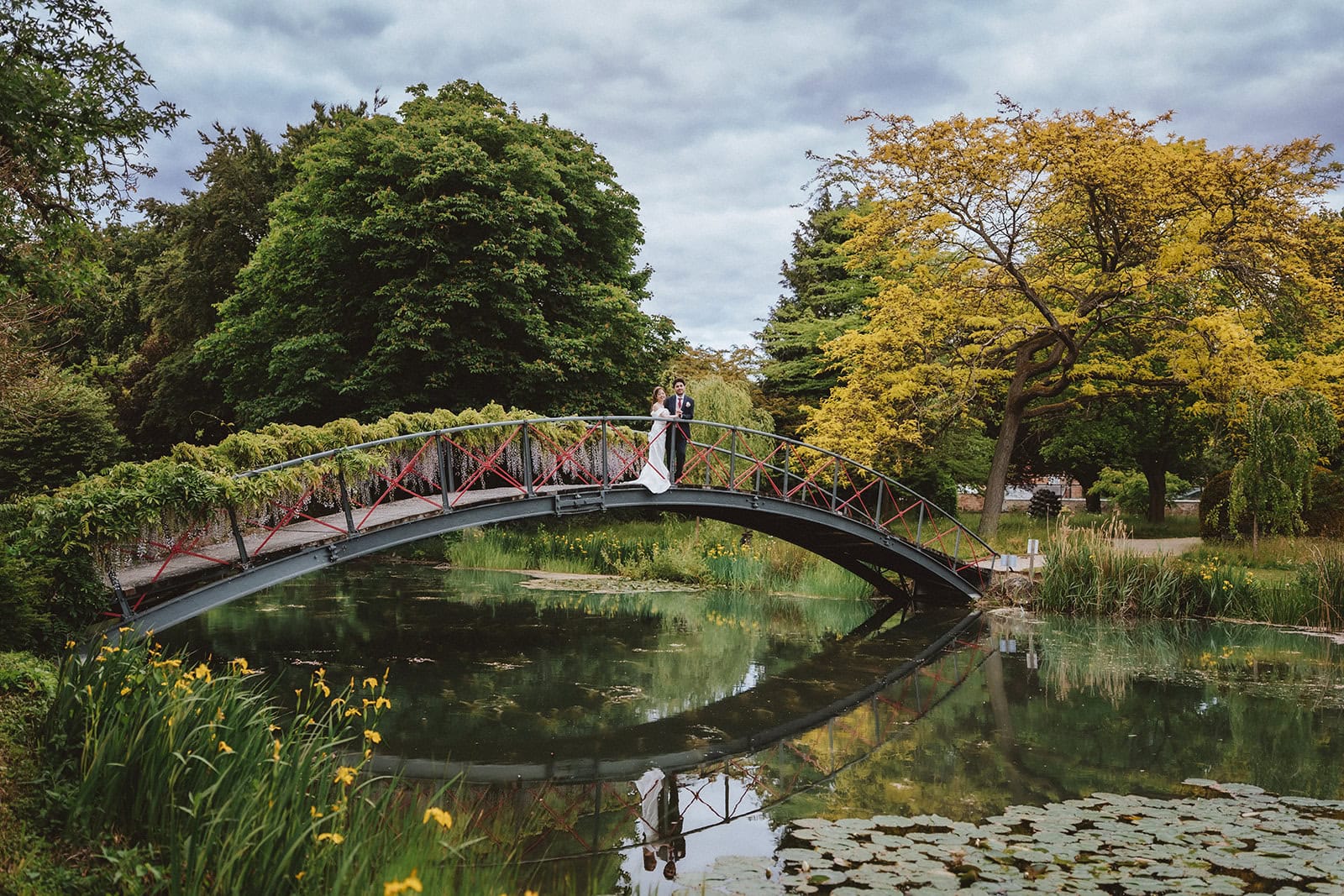
The day itself is only a fraction of the work
Most couples see the wedding day. What they don’t see is everything around it.
Before the wedding, there’s the initial consultation, the contract, the planning call, the timeline review, the venue research if it’s somewhere I haven’t shot before, and the correspondence that runs across the months between booking and the day itself.
On the day, I’m typically working twelve to fourteen hours straight – from bridal preparations through to the first dance and beyond. There’s no break, no handover, no one else to pick up if something goes wrong.
After the wedding comes the edit. I cull and process every image individually – my workflow for a solo wedding runs to around 600 finished images, and each one is touched by hand. That post-production work alone can run to two full days. Then there’s the gallery delivery, the follow-up, the album design if that’s been booked.
For a single wedding day, a professional photographer is typically investing thirty to forty hours of their time by the time everything is complete.

The equipment is serious – and seriously expensive
I shoot on Sony mirrorless bodies – two Sony A9 IIIs plus a backup – alongside a set of prime lenses that includes the Sony 50mm f/1.4 GM and 85mm f/1.4 GM. That kit list runs to tens of thousands of pounds, and it needs to be maintained, insured, and eventually replaced.
Professional camera bodies don’t last forever. Lenses need servicing. Memory cards fail. Flashes die at inconvenient moments. Carrying two full systems to every wedding isn’t vanity – it’s the only responsible way to work, because there is no re-shoot if something goes wrong.
Beyond the cameras, there’s editing software, gallery delivery platforms, cloud backup, hard drive redundancy, and the ongoing cost of keeping all of it current. These aren’t luxuries. They’re the infrastructure that makes professional delivery possible.
Running a business costs money before a single frame is taken
Public liability insurance. Professional indemnity insurance. Equipment insurance. A website. An accountant. A CRM system for managing enquiries and contracts. Marketing. The cost of maintaining a Google presence. Directory listings.
None of this earns anything on its own. It’s the overhead that makes it possible to show up, be trusted, and do the job properly. And all of it has to be covered by the bookings.
A photographer charging £1,500 and taking forty bookings a year sounds like a reasonable living. It isn’t, once you account for the above, the tax, the unpaid hours, and the reality that forty weddings would be a brutal schedule for one person working alone.

Experience isn’t incidental – it’s what you’re actually paying for
Wedding photography is unforgiving in a way that most photography isn’t. The ceremony happens once. The first look happens once. The father of the bride walking his daughter down the aisle happens once. There is no “can we do that again?”
The reason experienced photographers command higher fees isn’t arrogance – it’s that they’ve stood in enough difficult rooms, in enough tricky light, at enough emotionally charged moments, to know what to do without thinking about it. That instinct is the product of years of work, and it cannot be replicated by someone who’s done ten weddings regardless of how good their camera is.
What you’re actually getting
When you book a professional wedding photographer, you’re getting:
The wedding day passes quickly. The photographs are what remain.
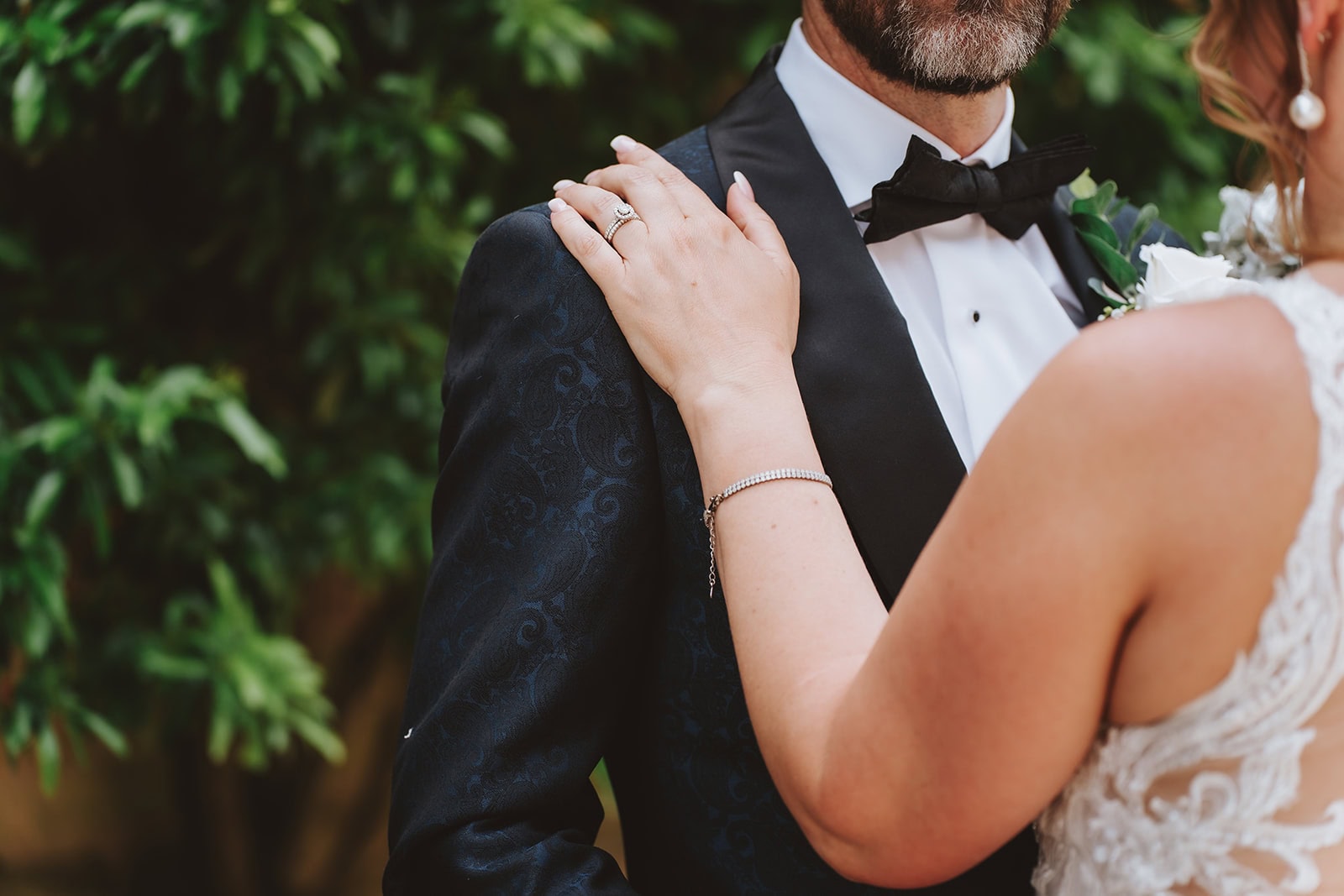
A note on price ranges
Wedding photography in the UK ranges from roughly £800 at the entry level to £5,000 or more at the top of the market. The differences are real: experience, equipment, consistency, the way the images look, the reliability of the person behind the camera.
At Lily & White, packages start from £1,795. If you’d like to understand exactly what that covers, the investment page sets it out clearly.
Frequently Asked Questions
Why does wedding photography cost more than other types of photography?
Wedding photography combines long unsociable hours, high-stakes one-chance moments, significant equipment investment, and extensive post-production work. A wedding photographer is also running a business with its own overhead costs. All of that is reflected in the price.
How many hours does a wedding photographer actually work per wedding?
The day itself is typically twelve to fourteen hours. Add pre-wedding consultation, planning, post-production editing, gallery delivery, and ongoing correspondence, and a professional photographer invests thirty to forty hours per wedding by the time everything is complete.
Is it worth spending more on wedding photography?
The photographs are among the very few things from a wedding that last unchanged for decades. The flowers, the food, the venue styling – these are experienced once and then gone. The images remain. Most couples who prioritise photography look back on it as one of the best decisions they made.
Can I negotiate wedding photography prices?
Most professional photographers price their work to reflect genuine costs and experience. Significant discounts usually mean something has been removed from the service, or the photographer is undervaluing their work. It’s more useful to discuss what’s included in a package and whether it meets your needs than to focus on reducing the headline figure.
How far in advance should I book a wedding photographer?
For popular dates – particularly Saturdays between May and October – twelve to eighteen months ahead is sensible. Photographers with a strong reputation often book out well in advance. If your date is sooner, it’s still worth enquiring as availability can change.
What happens if my photographer is ill on the day?
Professional photographers carry public liability insurance and most have contingency arrangements with trusted colleagues. It’s worth asking any photographer you’re considering what their plan is if something prevents them from attending – a clear answer to this question is a good indicator of how seriously they take their responsibilities.